BEHIND THE TABLES: CURTIS KNIGHT – THE MENTAL ATHLETE
BEHIND THE TABLESLATEST BLOG
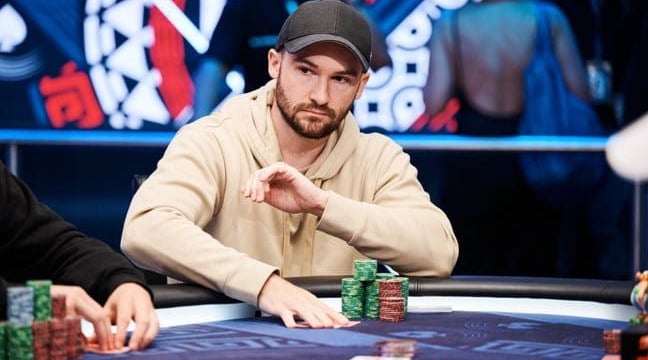
For many, poker is a discovery of a new world. For Curtis Knight, it was simply finding a new arena for an old instinct.
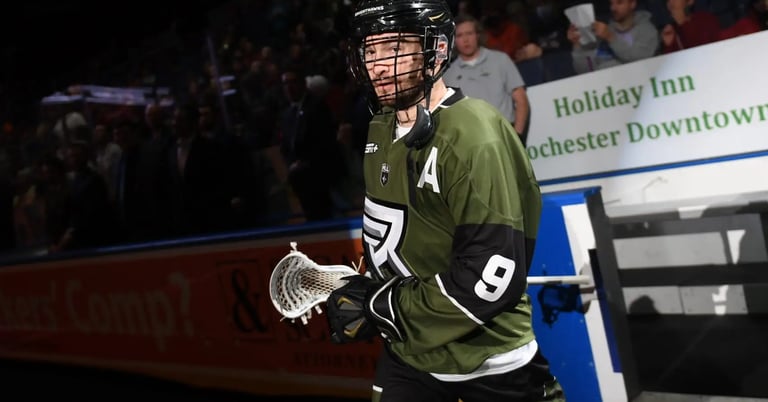
Before he was grinding high-stakes tournaments, Curtis spent over a decade as a professional Lacrosse player. He understands what it means to perform in a stadium filled with 16,000 screaming fans, and he knows the physical toll of elite competition.
In this edition of Behind The Tables, we explore how an athlete translates the discipline of the locker room to the solitude of the solver, dealing with the "shot clock" of decision-making, and the unique emotional resilience required when you trade physical bruises for mental ones.
The Player Behind the Cards
Curtis didn't stumble into competition; he was born into it. His journey didn't begin with cards, but with a stick and a ball, navigating the intense physical demands of professional sports from a young age.
Can you tell us about your background in sports and how poker came into the picture?
"Lacrosse has been a part of my life since I was a kid. It’s very popular where I’m from in Southern Ontario, so I played it in the summer and focused on ice hockey the rest of the year. Poker entered during high school, but we started playing in basements with friends. Online didn't enter until university—mostly cash and a little bit of sit-and-go’s.
I was just playing casually on the side during university. I still loved it; I knew I liked the game. Then, around 2017, I found tournament poker.
When I came back to the game, solvers had become a thing—that sparked my interest, and that's where I really got back into it".
What was it about poker that made you want to pursue it alongside your sports career?
"It was mostly the idea of doing an activity where there's no end to how much better you can get. You can do that with a lot of things, of course. But physically, as you get older, you can only do so much in certain sports.
I also had a strong passion for it. I like the strategy side of the game; I love the infinite learning curve and the idea of freedom".
Redefining Freedom through Discipline
For an athlete accustomed to strict training schedules, "freedom" in poker doesn't mean a lack of structure. On the contrary, Curtis views freedom as the ability to choose where to direct his intense focus.
We often hear poker players talk about freedom. What does being free mean to you?
"Being free, to me, is putting my time into the things that I want to do. It's not just doing what I want, whenever; it's investing my time and energy into what I want to invest in.
Poker is what I really love, so the fact that I can put all my focus on it—sure, when I want to—hasn't been an issue because I enjoy it so much. I can simply put my energy into this thing I'm progressing at".
You come from a background of high-performance physical sports. How has that athletic discipline translated to your poker career?
"The discipline from sports is huge because you practice even when you don't want to; you take care of all the things around the game. I already had good habits in place—like exercise and caring about my sleep—before I ever got to poker.
I was lucky those habits just happened to translate. I still go to the gym every day; it's just something I do, not something I have to think about.
By contrast, I know a lot of poker players who are constantly trying to build an exercise routine because it wasn't a natural part of their life".
Do you feel that this physical discipline gives you a tangible edge over opponents who might be more sedentary?
"It's all about longevity in poker. If you exercise consistently and take care of your sleep over the long term, you gain an edge; you're able to stay in the game longer and improve more over time.
Physical fitness helps especially during live trips—where you have to travel, endure long days, and do a lot of sitting. It adds up; maybe it doesn't matter for the first tournament, but when you're playing a series like Triton, it likely matters near the end who is in good shape".
In The Zone: The "Shot Clock" Mindset
One of the most valuable crossovers from Lacrosse to Poker is the ability to process mistakes in real-time. In sports, the game doesn't stop for you to regret an error. Curtis applies this same "Shot Clock" mentality to the tables.
In Lacrosse, you have a 30-second shot clock. Does that experience help you deal with mistakes in poker?
"In high-level lacrosse, mistakes happen. You might do something wrong during a game, but you have to move on quickly because it is so fast-paced—you have 30 seconds, then you're back on for the next play.
Poker is similar; if you're playing 8 or 10 tables online, you have to get over the mistake immediately and move on. In that sense, my sports background has definitely helped me".
You’ve played in stadiums with thousands of people. Does that help you handle the pressure of a big final table?
"In sports, you reach a point where your skills are so ingrained that you're confident in your abilities in every situation. You might be in a chaotic environment—it's loud, you're tired, or even injured—but you remain very present in that moment.
That is the one thing about sports I haven't found a way to replicate elsewhere; when you're in the game, you're only thinking about the game. It's the only thing. So to actually answer your question, I would say it helps in that you learn preparation equals confidence in pressure situations".
The Sideline Silence: Dealing with Loss
In sports, when you are benched or injured, you watch from the sidelines. In poker, busting a major tournament creates a similar void—but often much sharper and more solitary.
How does the experience of being "sidelined" in sports compare to busting a major tournament?
"In the moment, it's an adrenaline dump—that’s the best way to describe it. You go from potentially winning to being gone, forced to watch from the sidelines. Sometimes it’s super painful. You're on this high, playing for six days, and then all of a sudden it's over, just like that. It’s shocking to the system.
Losing in a big moment here is different than in sports because, at least in the sports I played, you have a team. A loss is still devastating, but it's not just you. In poker, you might make the right decision... and still be out".
Poker is inherently solitary compared to a team sport. How important has it been for you to build a support system?
"I work with a team now, and it is insanely valuable—not just for the technical side, but more importantly, for the emotional support. In sports, when you lose, everybody understands; they know you're disappointed.
But when you get knocked out of a tournament, people outside of poker simply don't know what it's like. They don't understand why you lost. Having a team of poker players makes that emotional support so much easier".
The Internal Battle: Validation & Reality
Perhaps the toughest transition for an athlete is the lack of a clear scoreboard. In sports, the buzzer sounds and you know who won. In poker, you can be a professional, do everything right for years, and still lack the "trophy" that validates your effort to the outside world.
How do you handle the reality of high-stakes losses and the variance involved?
"Dealing with negative variance is a big part of high stakes poker. You travel to these stops and play huge events, often with the responsibility of representing a team or backers. It’s not just about the result itself, but as a high-stakes player, you have to be comfortable with the swings that happen in a very short period.
That experience can lead to doubt, and I think that is one aspect that maybe doesn't get talked about enough".
The Fuel for Longevity
To survive the adrenaline dumps, the variance, and the silent doubts, skill alone isn't enough. Curtis believes there is one non-negotiable requirement for a long career.
What advice would you give to someone starting on this path?
"The first thing is to make sure you love the game; it's very hard to stay in it long term and become successful unless you truly love it. All the things we've talked about—the discipline to study, put in the hours, build a schedule, and maintain an exercise routine—you can only sustain those things if you really love the game.
I often heard the advice early on that pros would never recommend poker to anyone. At the time I disagreed but now in hindsight, I think it’s great advice and if you don’t listen to it, you likely have a chance".
Closing: The Mental Athlete
Curtis Knight’s story serves as a powerful reminder that poker is, effectively, a sport—perhaps defined as 'mental,' but with demands that mirror elite athletics. The parallels are undeniable: the necessity of physical fitness to endure long sessions, the discipline of routine, and the relentless pressure of the 'shot clock.'
As the game evolves, success requires more than just technical mastery; it demands an integral approach where physical health and mental foundations are just as critical as solver work.
Ultimately, Curtis shows us that while the cards are played alone, the career cannot be survived in isolation; having a team is essential to navigate the profound mental challenges of this profession.
"Freedom isn't just doing what I want, whenever. It's investing my time and energy into what I want to invest in"
"In high-level lacrosse, you have 30 seconds, then you're back on for the next play. Poker is similar; you have to get over the mistake immediately and move on".